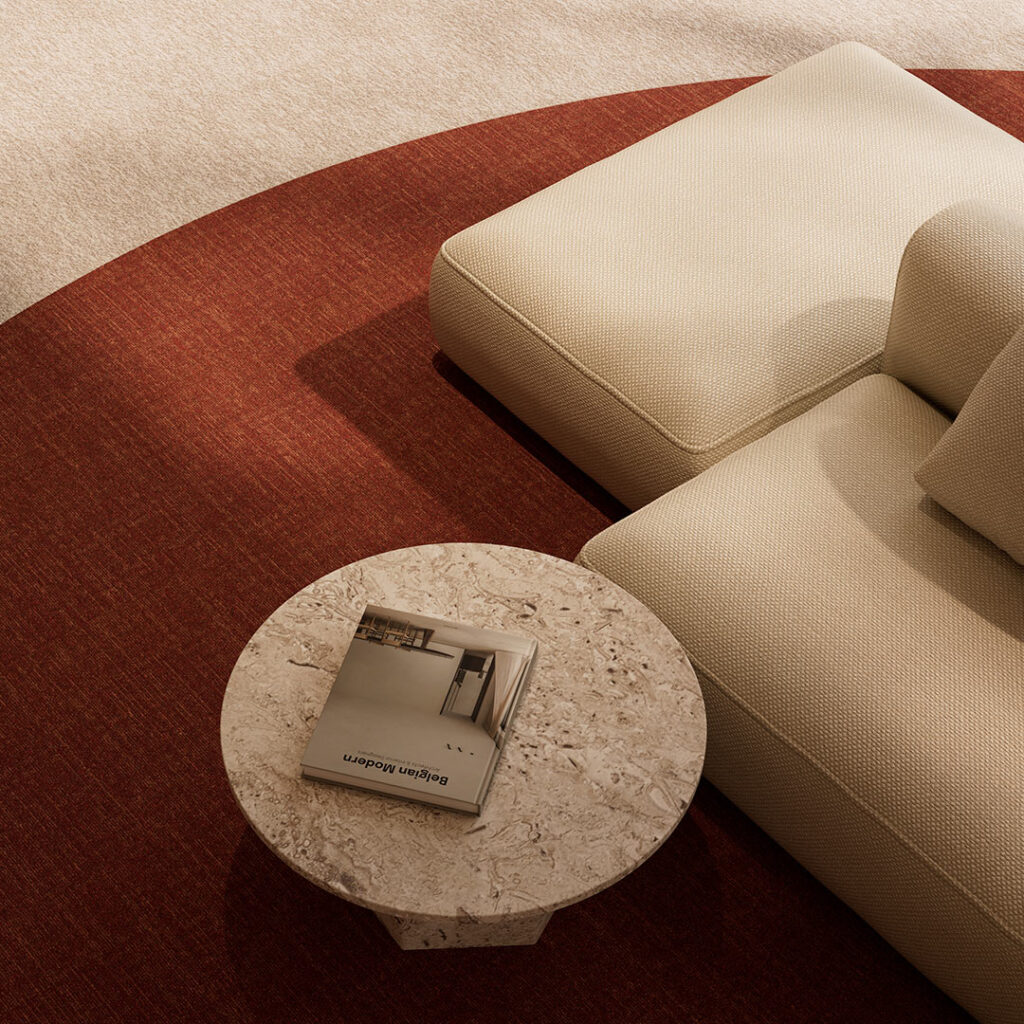
Modulyss carpet tiles have three main installation options: loose lay installation, partial adhesive installation, and full adhesive installation. Loose lay installation is suitable for spaces where flexibility is important, partial adhesive installation offers a balance between stability and adaptability, and full adhesive installation is the best solution for high-traffic areas such as offices and hotels. The installation method directly affects the carpet’s lifespan and appearance. The right choice depends on the space’s purpose and traffic requirements.
What installation options are available for Modulyss carpet tiles?
Modulyss carpet tiles offer three installation options that cater to different space requirements and purposes. Loose lay installation means that the tiles are placed directly on a level and clean substrate without adhesive. This option is suitable for spaces where flexibility and the ability to make changes easily are desired.
Partial adhesive installation means that the tiles are fixed to the substrate with adhesive only at certain points, such as corners or edges. This method combines the flexibility of loose lay installation with the stability of glued installation. It works well in moderately loaded spaces that require some permanence but where the possibility of changes needs to be maintained.
Full adhesive installation is the most comprehensive installation method, where each tile is completely glued to the substrate. This option offers the best durability and is excellently suited for high-traffic areas such as offices, hotels, schools, and restaurants. Fully glued wall-to-wall carpet remains in place even during intensive use and maintains its appearance for longer.
Belgian Modulyss is known for its high-quality carpet tiles that combine functionality, durability, and creativity. The collection features a wide range of colors, patterns, and textures that enable versatile flooring solutions for public spaces. The tiles’ durability is guaranteed by a 15-year warranty, which demonstrates the products’ longevity and quality.
The installation method affects the final result in many ways. Loose lay installation is the quickest and easiest to implement, but it requires a level substrate and may require repositioning of tiles over time. Full adhesive installation, on the other hand, ensures a level surface and the best acoustics, as the tiles remain firmly in place. Explore the versatility of the Modulyss collection and find the right solution for your space.
Choosing the right installation method should be done together with professionals. Our services cover the entire project from design to installation, and our domestic installation services guarantee a high-quality final result.
How does loose lay installation differ from glued installation for carpet tiles?
Loose lay installation and glued installation differ significantly in both implementation and practical characteristics. In loose lay installation, carpet tiles are placed directly on a level substrate without fixation, while in glued installation, the tiles are permanently fixed to the floor with adhesive. The choice between these depends on the space’s purpose and future change requirements.
The flexibility of loose lay installation is its greatest advantage. You can easily replace individual tiles as needed, which is useful in spaces where cabling or piping runs under the floor. This installation method is suitable for spaces where interiors are changed regularly or where the space’s purpose may change. Loose lay installation is also quick and simple to implement and does not require special tools.
Glued installation offers durability and stability, making it the best option for office carpets, hotel carpets, and other public spaces. Fully glued commercial carpet remains in place during intensive use, and the tile edges do not lift or shift. This is important in places with high foot traffic or wheeled chairs.
Modulyss’s ecoBack backing material is designed to work with both installation methods. This recyclable backing provides sufficient weight for loose lay installation while offering excellent adhesion in glued installation. Thanks to the ecoBack backing material, the tiles are also easier to recycle at the end of their life cycle, which supports responsible construction.
| Feature | Loose lay installation | Glued installation |
|---|---|---|
| Installation | Quick and simple | Requires professional skill |
| Adaptability | Easy to replace tiles | Permanent solution |
| Durability | Suitable for moderate traffic | Best for high-traffic areas |
| Suitability | Temporary spaces, offices | Hotels, schools, restaurants |
| Acoustics | Good | Excellent |
Carpet tile is a versatile choice in both installation methods. Its structure enables creativity in both colors and patterns. In loose lay installation, you can experiment with different arrangements before making a final decision, while in glued installation, you get a completely level and permanent result.
What factors influence the choice of the right installation method?
The choice of the right installation method is influenced by many practical factors that should be considered during the planning phase. The space’s purpose is the single most important factor. In an office space with high foot traffic and wheeled chairs, full adhesive installation is often the best option. For temporary spaces or sites where regular access under the floor is needed, loose lay installation is more practical.
The traffic level largely determines the installation method’s durability requirements. In a hotel lobby or restaurant where traffic is heavy, glued installation ensures that carpets for public spaces remain intact and tidy for longer. In lighter traffic spaces, such as meeting rooms or reception areas, loose lay installation may be sufficient.
The substrate condition also affects the choice. Full adhesive installation requires a level, dry, and clean substrate, while loose lay installation tolerates slightly more unevenness. If the substrate is in poor condition, it must be repaired before installation regardless of the chosen method.
Temporary versus permanent is another decisive factor. If you know that the space will be renovated in a few years or the purpose may change, loose lay installation provides flexibility. For permanent solutions, glued installation is more cost-effective and durable in the long term.
Budget affects the decision, but it is not the only criterion. Loose lay installation is more affordable in the short term, but glued installation can be more economical in the long run because it requires less maintenance and lasts longer.
Colors and patterns bring personality to the space and influence installation planning. Modulyss’s extensive collection offers color options from classic monochrome solutions to bold, multi-toned combinations. Current interior design trends in office and public spaces favor natural shades such as grays, greens, and browns, which create a calming atmosphere.
Domestic installation services ensure professional implementation, which directly affects the quality of the final result and the carpet’s lifespan. An experienced installer can assess the substrate condition, choose the right installation method, and execute the work so that the result is flawless.
Modulyss’s Limit Your Footprint program offers a suitable level of sustainability for each project. The program covers the entire product lifecycle from design to recycling. The tiles are made from 100% recycled Econyl yarn and feature recyclable ecoBack backing as standard. Cradle to Cradle certification ensures the products’ environmental friendliness. Explore the Modulyss collection and find a responsible solution for your project.
What does Modulyss carpet tile installation require from the substrate?
The substrate must be level, dry, clean, and load-bearing for carpet tile installation to be successful. These four basic requirements apply to all installation methods, but full adhesive installation sets the strictest requirements for substrate quality. Careful substrate preparation is the key to a long-lasting and beautiful result.
Levelness is a critical factor. Substrate irregularities show in the final result, especially in glued installation. The floor must be level with a tolerance of no more than 3 millimeters over a two-meter distance. If the substrate is uneven, it must be leveled before installation with leveling compound. In loose lay installation, slightly larger irregularities can be accepted, but even these should be corrected for the best result.
Dryness is another important requirement. The moisture content of a concrete floor must not exceed two percent, and the moisture content of a wooden substrate may be a maximum of eight percent. A substrate that is too moist can cause mold damage and weaken adhesive bonding. Moisture measurement should always be performed before installation, especially in new buildings and near wet rooms.
Cleanliness directly affects installation success. Dust, dirt, grease, and old adhesive residues must be carefully removed before installation. A dirty substrate prevents adhesive bonding and can cause tiles to come loose later. The substrate should be vacuumed and washed if necessary before starting work.
Load-bearing capacity means that the substrate must be sufficiently strong to bear the weight of the tiles and usage load. A weak or fragile substrate must be reinforced before installation. Old flooring materials, such as vinyl or linoleum, can be left as a substrate if they are firmly attached and in good condition.
Different installation methods set slightly different requirements for the substrate. Loose lay installation is the most forgiving and requires the least pre-treatment. Partial adhesive installation requires the substrate to be in good condition in the areas where adhesive is applied. Full adhesive installation requires the entire surface to be in impeccable condition.
Substrate pre-treatment or repair is necessary when you detect irregularities, moisture, cracks, or other damage. A skilled installer can assess the substrate condition and recommend necessary measures. Investing in substrate preparation pays for itself in the long term.
The importance of professional installation is particularly emphasized in terms of longevity. Properly installed carpet tile lasts for years without problems, while poorly executed installation can cause tiles to come loose, edges to lift, and premature wear. Modulyss’s 15-year warranty requires that installation be performed professionally according to the manufacturer’s instructions. The warranty covers material defects and normal wear, but not problems resulting from installation errors.
How do colors and patterns affect carpet tile installation planning?
Modulyss’s extensive color and pattern selection offers countless creative possibilities in installation. You can create unique flooring solutions by combining different colors, patterns, and textures. The orientation and arrangement of the tiles significantly affect the space’s visual appearance and atmosphere. Proper planning helps create a functional and pleasant space.
The tile orientation changes the experience of the space. Tiles can be installed straight, diagonally, or in varying directions. Straight installation, where tiles are aligned, creates a calm and classic appearance. Diagonal installation brings dynamism and can make the space appear wider. In random installation, tiles are turned in different directions, creating a lively and modern surface.
Color combinations provide the opportunity to create unique designs. You can use one color throughout the space to achieve a calming appearance or combine multiple shades to create zones and accents. Current interior design trends in office and public spaces favor natural, earthy colors such as grays, greens, and browns. These shades create a calming and professional atmosphere.
Patterns add interest and personality. From the Modulyss collection, you’ll find subtle textures suitable for classic spaces, as well as bolder patterns that make the space stand out. Patterned tiles can be combined with solid colors to create a balanced whole.
Printed designs and customized solutions take individuality to a new level. You can order tiles with your own design, logo, or pattern printed on them. This possibility is excellently suited for companies that want to strengthen their brand identity through flooring solutions as well. Printed wall-to-wall carpet can function as art and a conversation starter in the space.
Proper installation planning supports the space’s acoustics and comfort. Carpet tile effectively dampens sounds, which improves work peace in offices and reduces disturbance in public spaces. The choice of colors and patterns also affects the space’s atmosphere: light shades make the space appear more spacious, while darker colors create a warm and intimate atmosphere.
The Modulyss collection offers numerous options for different styles and needs. The Textura collection offers beautiful textures, Moss brings nature’s calming atmosphere, Leaf and Willow are inspired by plants, Dune and Rust bring earthy shades, Fade creates a soft gradient effect, Meadow brings meadow colors, Trace offers subtle lines, Artus is classically stylish, Ivy brings green freshness, and Grind offers urban style. Explore Modulyss’s textures and color options to find the right solution for your space.
During the planning phase, it’s worth ordering sample tiles so you can see the colors and textures in proper lighting. Colors can appear different on screen than in reality, and natural light and artificial light affect how colors appear.
VMC Project helps you find the perfect flooring solution for your project. Our services cover the entire process from design to installation, and our skilled specialists help with the selection of colors, patterns, and installation methods. Our domestic installation services guarantee a high-quality result that meets your expectations. Contact us and let’s discuss your project. Explore our services and see how we can help you create your dream public spaces.