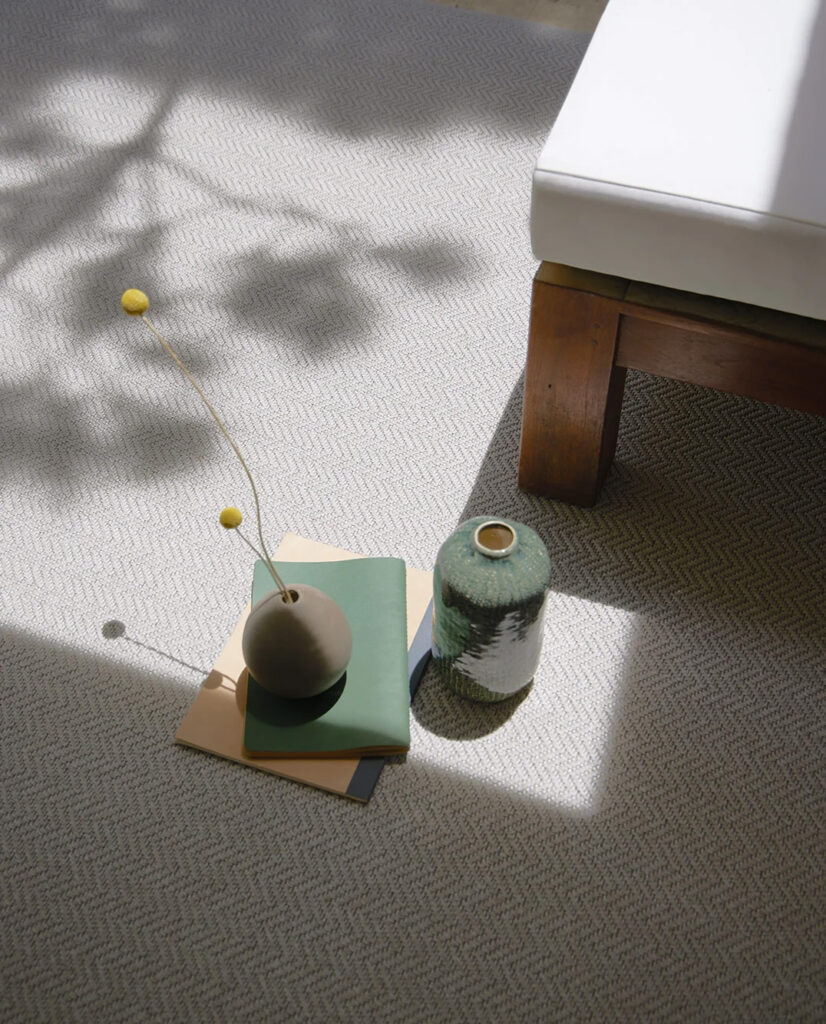
The most common mistakes in commercial carpet projects involve selecting the wrong carpet quality, neglecting the subfloor before installation, and inadequate technical planning. These mistakes rarely stem from carelessness — they most often result from insufficient knowledge of the specific requirements that commercial flooring demands. Below, we walk through the most important questions to address so you can avoid costly mistakes in your own project.
What usually causes problems in commercial carpet projects?
Problems in commercial carpet projects most often arise from applying the same criteria used for residential carpeting. A commercial space places entirely different demands on floor coverings: heavy wear, fire safety, acoustics, and ease of cleaning are the factors that determine success or failure.
Typical sources of problems include:
- Carpet quality is selected based on appearance without considering wear classification
- The subfloor is left unchecked before installation
- Technical planning is absent or carried out too late in the project schedule
- Color and surface choices are made without knowledge of how the space will actually be used
- The installation method and fixing solution are poorly matched to the space
When these points are handled correctly from the outset, a carpet project runs smoothly and the result lasts for years. An experienced partner can identify risks during the planning phase, before a single square meter has been installed.
Why does the wrong carpet quality cause premature wear?
The wrong carpet quality wears out prematurely because commercial textile carpet is subjected to many times the stress of residential use. Heavy-duty carpet is designed to withstand dense foot traffic, wheelchairs, cleaning equipment, and other mechanical stresses that standard carpet materials are simply not built for.
Wear classification determines service life
Textile carpets carry wear classifications that indicate what type of use a carpet is suited for. An office corridor or hotel lobby sees hundreds of passages daily, which requires a material specifically tested for that level of stress. Polyamide is one of the most common heavy-duty fibers used in commercial spaces, thanks to its excellent durability and ease of maintenance.
Material also affects cleanability
The wrong material not only wears out faster — it also soils more easily and is harder to keep clean. A textile carpet chosen for a commercial space should be low-maintenance and able to withstand professional cleaning equipment without surface damage. This is especially important in restaurants and healthcare facilities.
What happens when the subfloor is left unchecked before installation?
When the condition of the subfloor is not checked before a carpet installation, the consequences appear quickly: the carpet fails to bond properly, shifts during use, or its surface begins to become uneven. In the worst cases, subfloors with moisture issues or uneven surfaces can result in the entire installation needing to be redone.
Subfloor inspection covers:
- Levelness: An uneven subfloor causes an uneven carpet surface and can crack carpet tiles or show as untidy seams in broadloom carpets
- Moisture: A moisture-sensitive subfloor can cause adhesive to fail or damage the carpet’s structure over time
- Cleanliness: Dust, grease, and old adhesive residue prevent new adhesive from bonding effectively
- Temperature: The surface temperature of underfloor heating must be checked, as not all carpets are suitable for use over heated floors
Thorough subfloor preparation is one of the stages where the value of professional installation becomes tangible. We assist at every stage of the project, including subfloor assessment, to ensure the installation is done right the first time. You can explore completed projects on our references page.
When is carpet tile a better choice than broadloom carpet?
Carpet tile is a better choice than broadloom carpet when a space requires flexibility, easy maintenance, or the ability to replace individual sections as they wear. Carpet tiles are particularly well suited to offices where cable access or changing spatial layouts are everyday realities.
Strengths of carpet tile
- Individual worn or damaged tiles can be replaced without relaying the entire floor
- The modular format allows for more creative layout design and patterning
- Installation and removal are faster than with broadloom carpet
- Self-adhesive solutions, such as Infloor’s LiftBAC backing, do not damage the subfloor and are compatible with a wide range of surfaces
Broadloom carpet has its own strengths
- Broadloom carpet suits spaces where a seamless, uniform surface is desired
- In hotel rooms and prestige spaces, broadloom creates a more luxurious impression
- Delivered as a roll, broadloom carpet also allows for custom designs to be printed directly onto its surface
The choice between carpet tile and broadloom is best made based on the intended use of the space, maintenance requirements, and visual goals. BLOQ carpet tiles are a great example of how modularity and visual freedom can be combined with practicality.
How do color and surface choices affect the functionality of a space?
Color and surface choices have a significant impact on the functionality of a commercial space, as they influence the atmosphere, acoustics, visibility of dirt, and visual flow. A poor choice can make a space feel heavy, look dirty, or be acoustically uncomfortable — even if the carpet itself is high quality.
Practical considerations for color and surface selection:
- Dirt visibility: Very light or very dark solid tones show dirt quickly. Multicolored or textured options are more practical in high-traffic spaces
- Acoustics: A thicker, softer surface absorbs sound more effectively, which matters in open-plan offices and restaurants
- Visual perception of space: Light tones make a space feel larger; dark tones create a more intimate atmosphere
- Brand identity: A printed carpet or custom color palette can reinforce a company’s visual identity through its flooring solution
When choosing a surface texture, it is also worth considering how the carpet will look over time. A textured, multicolored textile carpet conceals signs of wear far better than a flat, solid-colored surface.
Who is responsible for the technical planning of a carpet project?
Ideally, technical planning for a carpet project is handled by the supplier in collaboration with the architect or interior designer. Technical planning covers carpet quality selection, installation method, subfloor requirements, confirmation of fire safety classification, and — where required — meeting acoustic performance standards.
Technical planning involves in practice:
- Determining the wear classification based on the intended use of the space
- Verifying the fire safety classification in accordance with building regulations
- Accounting for M1 emission classification to meet indoor air quality requirements
- Selecting the installation method: fully adhered, pressure-sensitive adhesive, or loose lay
- Planning seam locations and transition strips
- Confirming compatibility with underfloor heating
We provide technical support throughout the entire project, including training sessions and video consultations. This means designers and project managers are never left to navigate technical details on their own. Reach out to our specialists via our contact page and we will work through your project’s requirements together.
Nothing replaces a real material sample when making decisions. You can see the true color and feel the material in your hands before committing to a final choice. Order a material sample directly from our website and we will send it to you to see and touch for yourself.