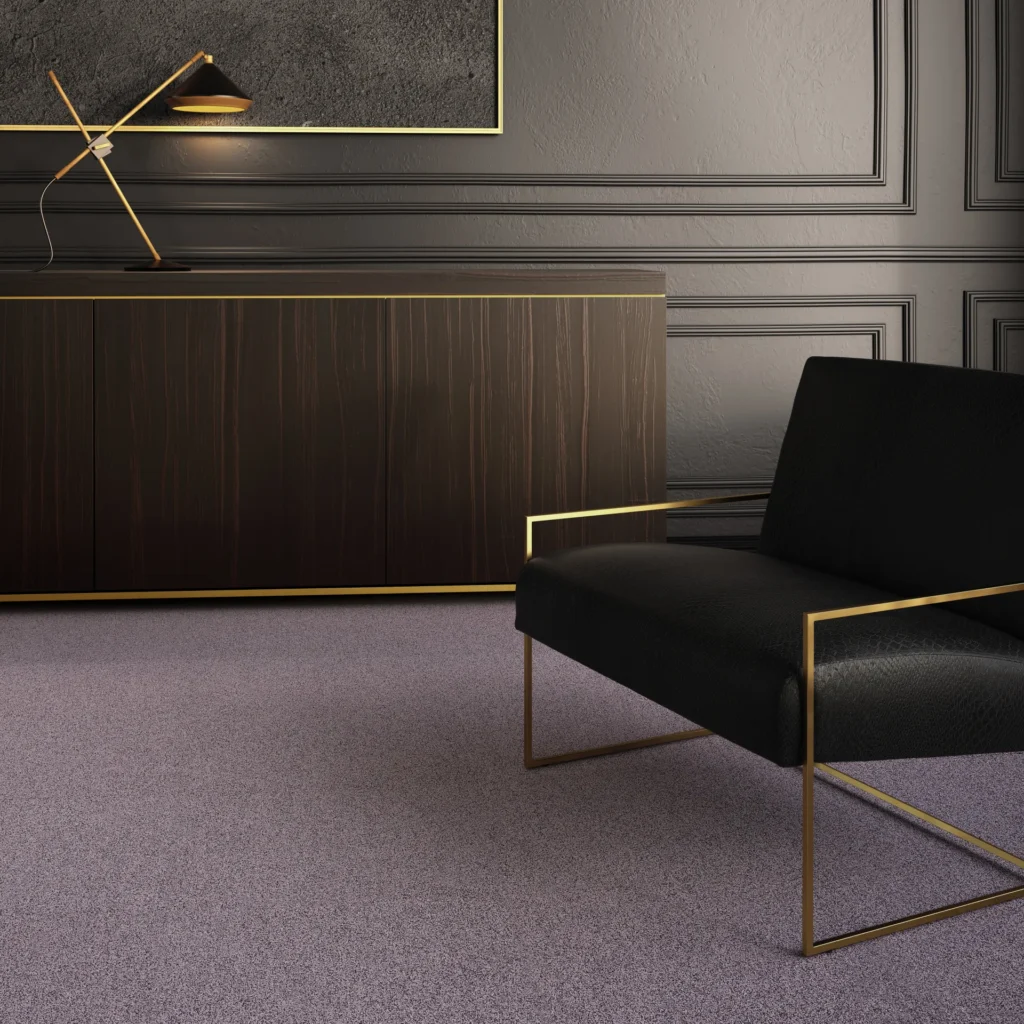
Corporate representative spaces require premium flooring solutions that can withstand heavy use, look impressive, and support the company’s visual identity. The right floor is not merely a surface material — it is part of the overall impression a space creates and its practical functionality. Below, we walk through the most important questions to help you choose the best solution for your specific space.
What requirements do corporate representative spaces place on flooring?
Flooring in corporate representative spaces must meet several requirements simultaneously: withstand repeated foot traffic, look clean and polished, be easy to maintain, and support the acoustics of the space. A commercial floor encounters dozens or even hundreds of visitors every day, which means durability is a non-negotiable baseline requirement.
In practice, the following properties are expected of flooring materials in representative spaces:
- Resistance to heavy wear without the surface deteriorating or losing its appearance quickly
- Fire safety, which is a statutory requirement in public spaces
- Easy maintenance, as a representative space must remain clean without constant specialist care
- Acoustic properties that reduce footstep noise and background noise accumulating in the space
- Visual compatibility with the space’s brand identity and architecture
- Environmental certifications, such as the M1 emission classification, which indicates a material’s safety in terms of indoor air quality
Offices, hotels, and restaurants differ in their purpose, but in all of these spaces the floor must stand the test of time and continue to look high-quality even years down the line. In a representative space, the floor is one of the first things a visitor notices, so it is well worth investing in the right choice.
What is the difference between carpet tiles and broadloom carpet in a representative space?
Carpet tiles are modular pieces, typically 50 × 50 cm, that can be installed and replaced individually. Broadloom carpet, on the other hand, is installed as a continuous surface covering the entire space. The most important practical difference lies in maintainability and flexibility: carpet tiles allow a damaged section to be replaced without having to redo the entire floor.
When is a carpet tile the better choice?
Carpet tiles are particularly well suited to spaces where the floor experiences uneven wear or where cables run beneath the surface. Individual tiles can be removed, replaced, or repositioned as needed. Modulyss and BLOQ offer a wide range of carpet tiles that combine durability with design freedom. Modulyss offers up to a 15-year warranty on its tiles, and BLOQ’s modular solutions enable bold color and pattern combinations.
When is broadloom carpet the better choice?
Broadloom carpet creates a cohesive, distinguished overall impression and is especially well suited to meeting rooms, hotel lobbies, and other spaces where a clean, seamless surface is desired. Broadloom carpet is also often acoustically more effective, as a continuous textile surface absorbs sound across a larger area. It is a strong choice for spaces where the function remains stable and there is no need to make changes beneath the floor.
How does a printed carpet reinforce a company’s brand identity?
A printed carpet makes it possible to apply a company’s logo, color palette, or custom design directly onto the carpet surface. This transforms the floor from a neutral background element into an active part of the space’s brand communication. The result withstands heavy use, and modern print technology delivers sharp colors and fine details even in demanding commercial environments.
We utilize the latest print technology and can reproduce a designer’s own artwork directly onto the carpet surface. This means a company has complete freedom to choose a pattern, color, or even its own logo as the flooring material. Printed carpet is particularly well suited to:
- Corporate lobbies and reception areas where brand visibility is important
- Hotels where a unified atmosphere and theme are desired throughout the space
- Restaurants where the visual identity is part of the customer experience
- Trade show and event environments where standing out is the goal
A printed floor is also a cost-effective way to bring a brand down to floor level without expensive interior design solutions. When the print is applied to a high-quality carpet material, the result is durable and retains its appearance for years to come.
Which materials are best suited to high-traffic representative spaces?
Polyamide, wool, and textile vinyl are the best-suited materials for high-traffic representative spaces. Polyamide is a wear-resistant synthetic fiber that is easy to maintain and available in a wide range of colors and surface finishes. Wool is a natural fiber that holds up to wear surprisingly well and brings a sense of quality and warmth to a space. Textile vinyl combines the aesthetics of a textile surface with the durability of a vinyl backing.
Synthetic and natural fibers
Carpets and carpet tiles made from polyamide are a common choice for offices and hotel corridors, as they withstand repeated foot traffic and are easy to keep clean. Among natural fibers, wool brings warmth and a distinguished feel to representative spaces and is particularly well suited to meeting rooms and hotel rooms. Carpets made from sisal have a textured, natural surface and suit spaces where an organic atmosphere is desired.
Textile vinyl for demanding spaces
Textile vinyl is an excellent choice for spaces that require both the aesthetic of a textile surface and the practicality of a vinyl backing. Ntgrate’s textile vinyl products are suitable even for wet areas and provide sound attenuation of at least 19 dB. All products carry the M1 certification, making them a safe choice in terms of indoor air quality. Textile vinyl works well in corridors, lobby areas, and restaurants where the floor is exposed to moisture or heavy wheeled furniture.
How does a flooring project progress from planning to installation?
A flooring project typically moves from a needs assessment to material selection, then to measurement and customization, and finally to professional installation. Each phase affects the quality of the end result, so having an expert involved throughout the entire process saves time and ensures a successful outcome.
A typical project follows this sequence:
- Needs assessment: The space’s intended use, traffic level, acoustic requirements, and visual objectives are established
- Material selection: Suitable materials, colors, and surface patterns are chosen according to the requirements of the space. Material samples support concrete decision-making
- Customization: Where needed, a printed surface or a custom size and shape is designed to order. Our in-house binding workshop and computer-controlled cutting machines ensure a precise finish
- Installation: A skilled installation team or our extensive network of professionals handles the installation on schedule, across Finland
- After-sales support: Technical assistance and guidance during use, whenever needed
We are here to help at every stage of the project. In our lean organization, collaboration between all parties is straightforward, and you will always get a clear answer without unnecessary bureaucracy. We have supplied flooring solutions to offices, hotels, restaurants, and many other public spaces throughout Finland. Browse our references to see the kinds of projects we have completed.
Nothing replaces a real material sample when making a decision about flooring for a representative space. You can see the true color and feel the material in your hands before making your final choice. Order a material sample and we will send it to you to examine and touch. If you would like to discuss your project in more detail, get in touch and we will go through your needs together.